


Borovoe
Legend has it that long ago a great white camel named Bura lived in these places. The sacred animal was known for its strength and beauty. Its home was the forests of Mount Kokshetau, but every noon it came down to the Silver Lake to drink.
View on map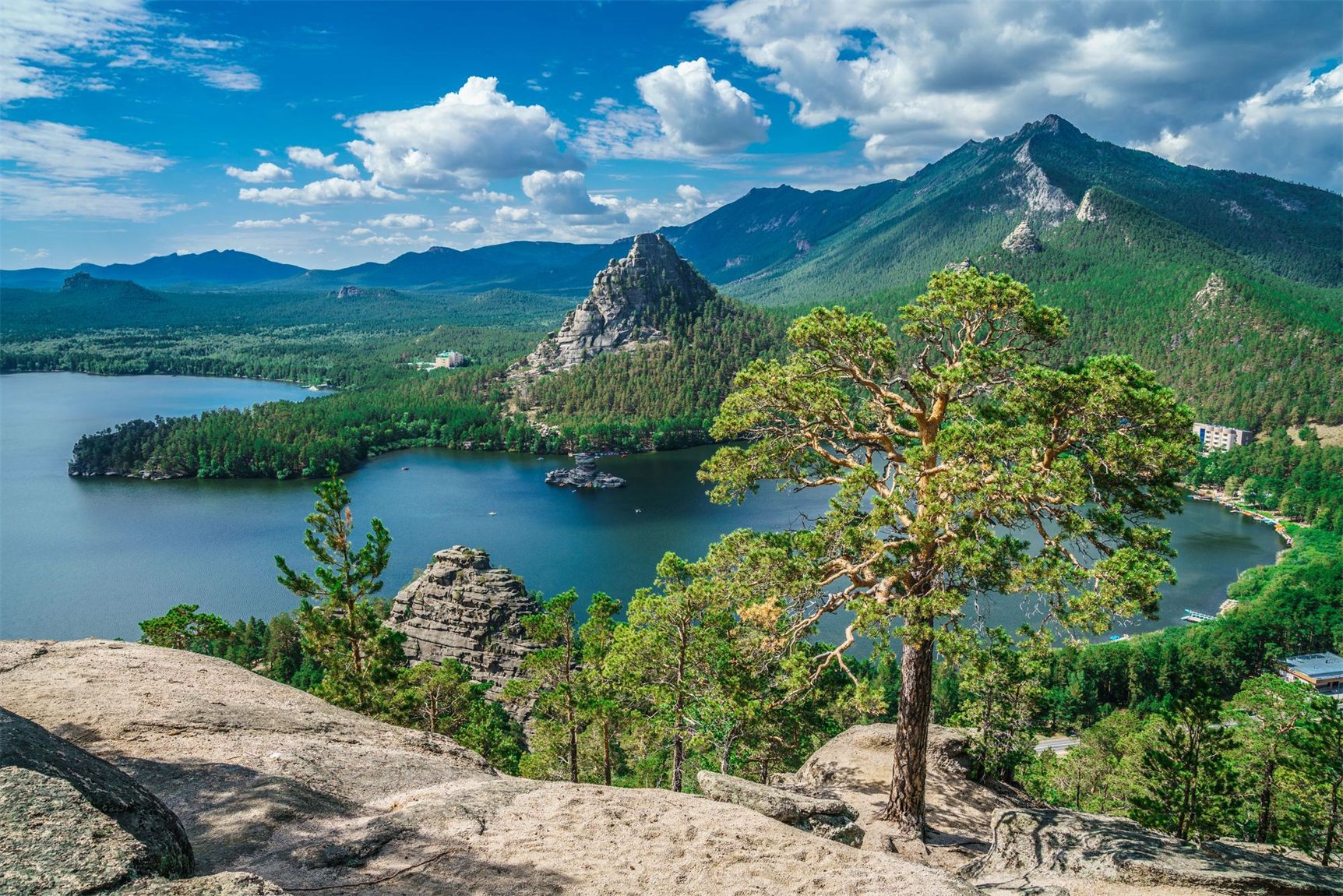
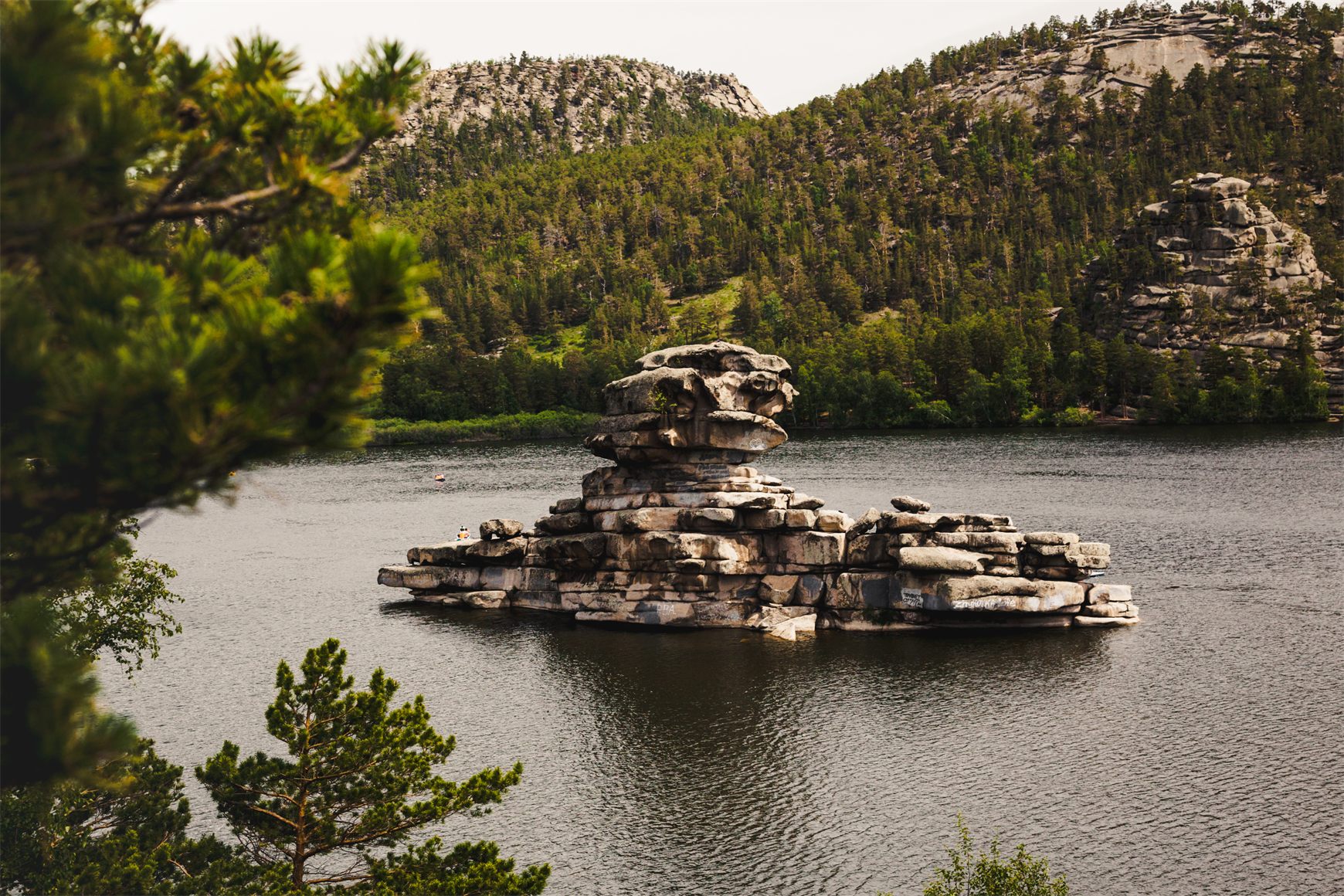
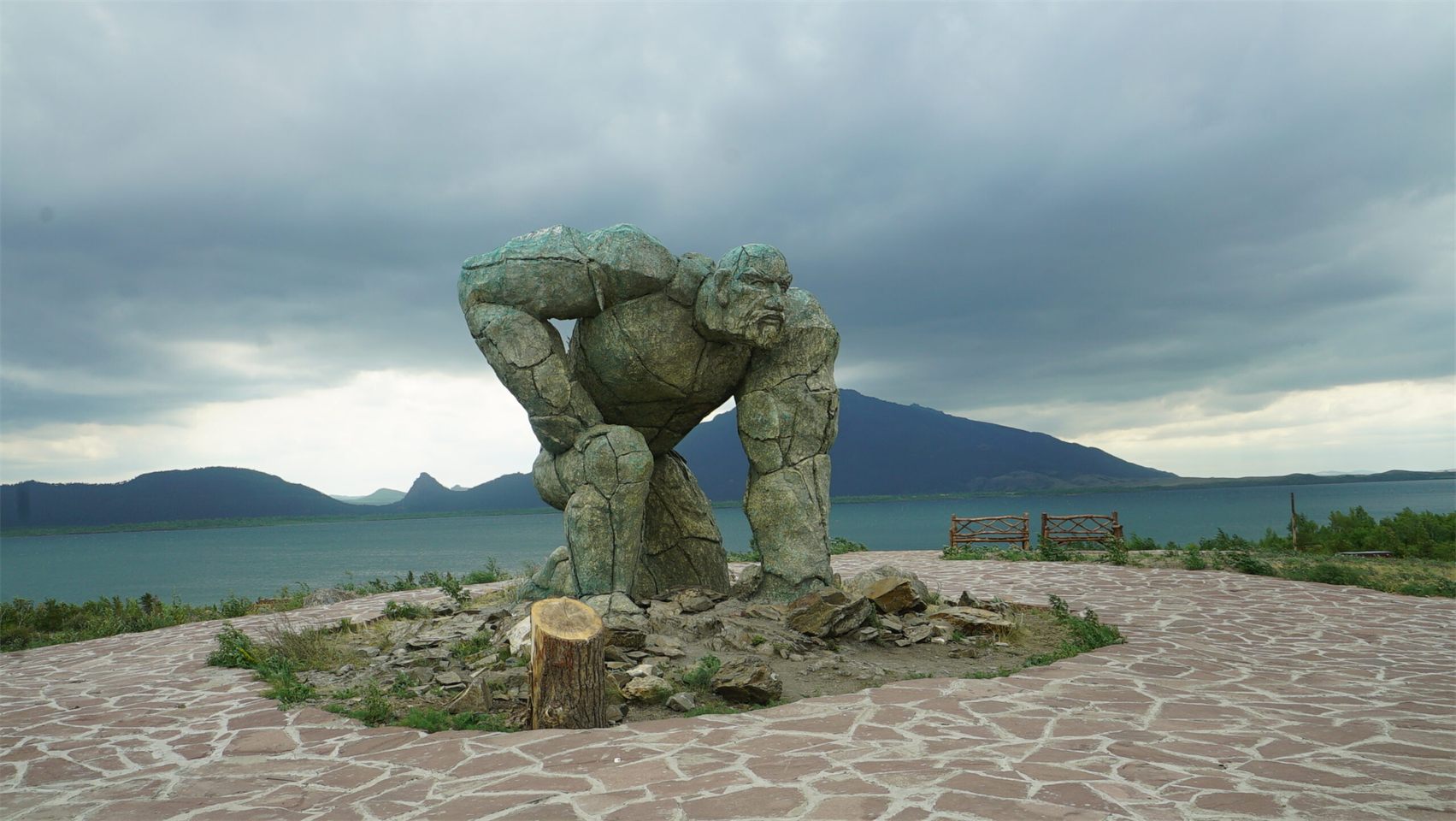
In honour of the noble camel, these places came to be called Burabay. The Silver Lake with its crystal-clear water was named Borovoe. According to legend, the frozen camel remained forever in its native land, turning into a mountain almost 600 m high. Locals see in it the outline of a petrified animal with a deadly arrow sticking out of its hump.
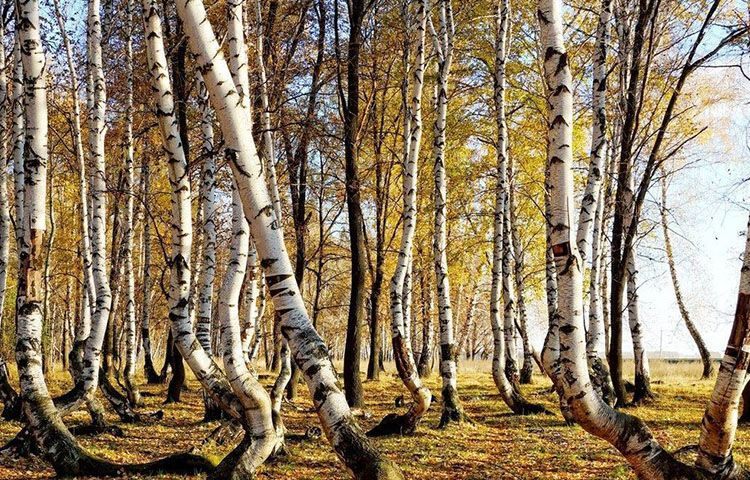
The nature of this wonderful resort, with its riches and unique beauty, warmly invites tourists to this ever-young and beautiful land. It calls us to wander along forest paths, climb the mountains and swim in the waters of the Borovoe lakes, drink healing kumis and spring water from a mountain stream, go for a morning run in the rays of the rising sun or ride along the forest roads.
Location
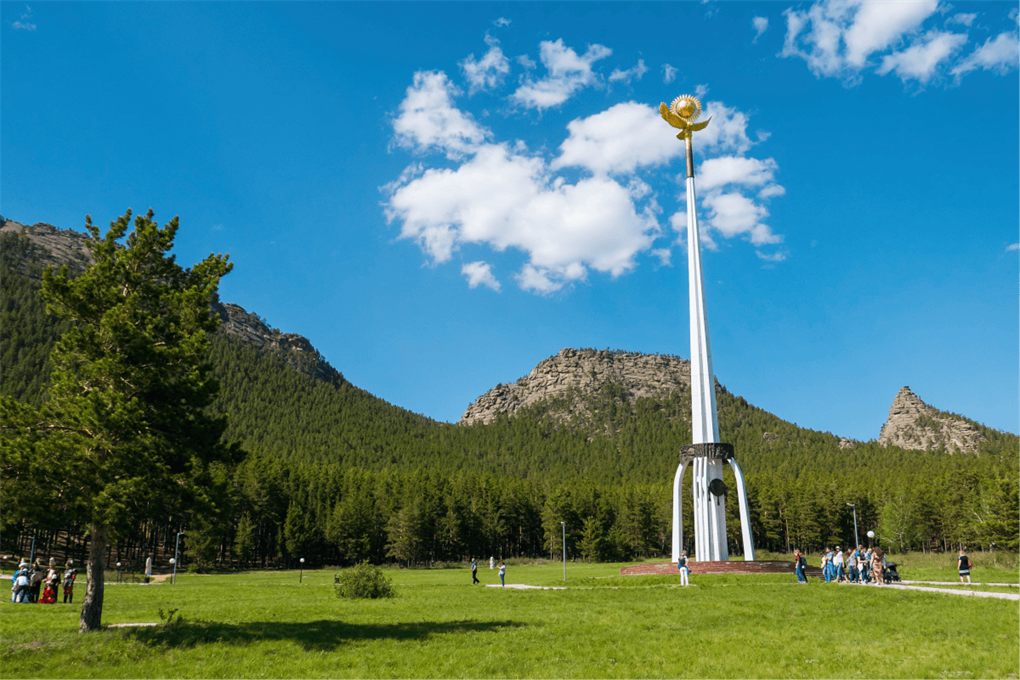
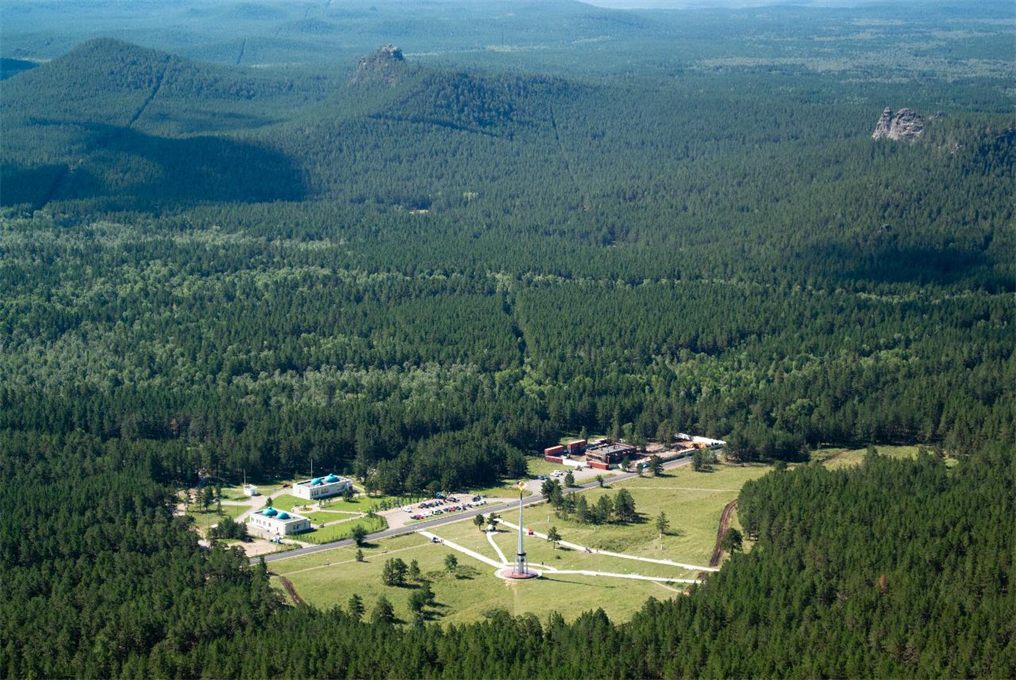
The resort village of Borovoe (Burabay) is located in the Akmola region of Kazakhstan. It is named after the lake of the same name, around which numerous sanatoriums, hotels, cottages and chalets are concentrated. It lies 257 km north of Astana, the capital of Kazakhstan. The lake that gave rise to the resort is part of the Burabay National Nature Park. Nearby there are more than a dozen lakes - Katarkol, Shchuchye, Small and Big Chebachye and others. There are also several mountains here, the best known being Kokshetau (Sinyukha), 947 metres high.